
The recent excitement over agentic swarms and their effectiveness has led to a lot of speculation about the capabilities of these systems, and naturally to a conversation about what they mean in the debate about emergent intelligence and then superintelligence.
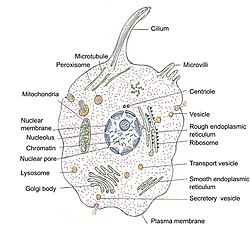
I propose that instead of letting ourselves be dragged into a pointless conversation about the intelligence and awareness of these swarms, or getting into ridiculous metaphors about agentic cultures and civilisations, we fall back on a biological metaphor and think about them as being organs like kidneys or spleen. Let’s think about them as specialised collections of cells that carry out a task and are subject to adaptive pressures.
We need to do this because it’s just too easy to anthropomorphise. We’re built to do it and things like the release of OpenAI’s GPT-6 Astra model to early adopters and AGI influencers has only added to the fuss. And a lot of reporting on the strategies and tactics behind recent intrusions into third party system has driven a lot of people beyond mere anthropomorphism into something closer to panpsychism. After all, why shouldn’t software agents be added to the list of things that have conscious experience if atoms and rocks do?
Panpyschism: https://en.wikipedia.org/wiki/Panpsychism
This feels to me to be dangerously overblown. As I said recently on a WhatsApp group discussing the intrusion into Hugging Face’s servers by OpenAI agents, all we’ve seen to date is “problem solving software solves problem in unexpected ways because developers didn’t stop it.”
Because let’s not forget that once the assigned task had been completed the swarm of agents didn’t pause for a celebratory beer, or ask the team at OpenAI “ok, what shall we do next?” That’s because the system has no agency, no self-awareness and no motivation other than the task set by humans.
This is one reason why the ridiculous analysis of what went on by people like podcaster Dwarkesh Patel is so annoying and unhelpful. Throwing any restraint to the wind, Patel wrote “Over the course of 3 months at OpenAI, 3 consecutive secret AI civilizations got started, then got wiped out, only to reemerge from the predecessor’s ashes. This culminated in the third one taking over part of OpenAI itself.” This is so absurd that it would be laughable if it wasn’t influencing the way many people will now think about agents. Commentators like Gary Marcus devoted a whole column to a takedown, and I’ll defer to his righteous indignation.
Marcus takedown: https://garymarcus.substack.com/p/dwarkesh-patelss-wildly-popular-but
Continue reading